
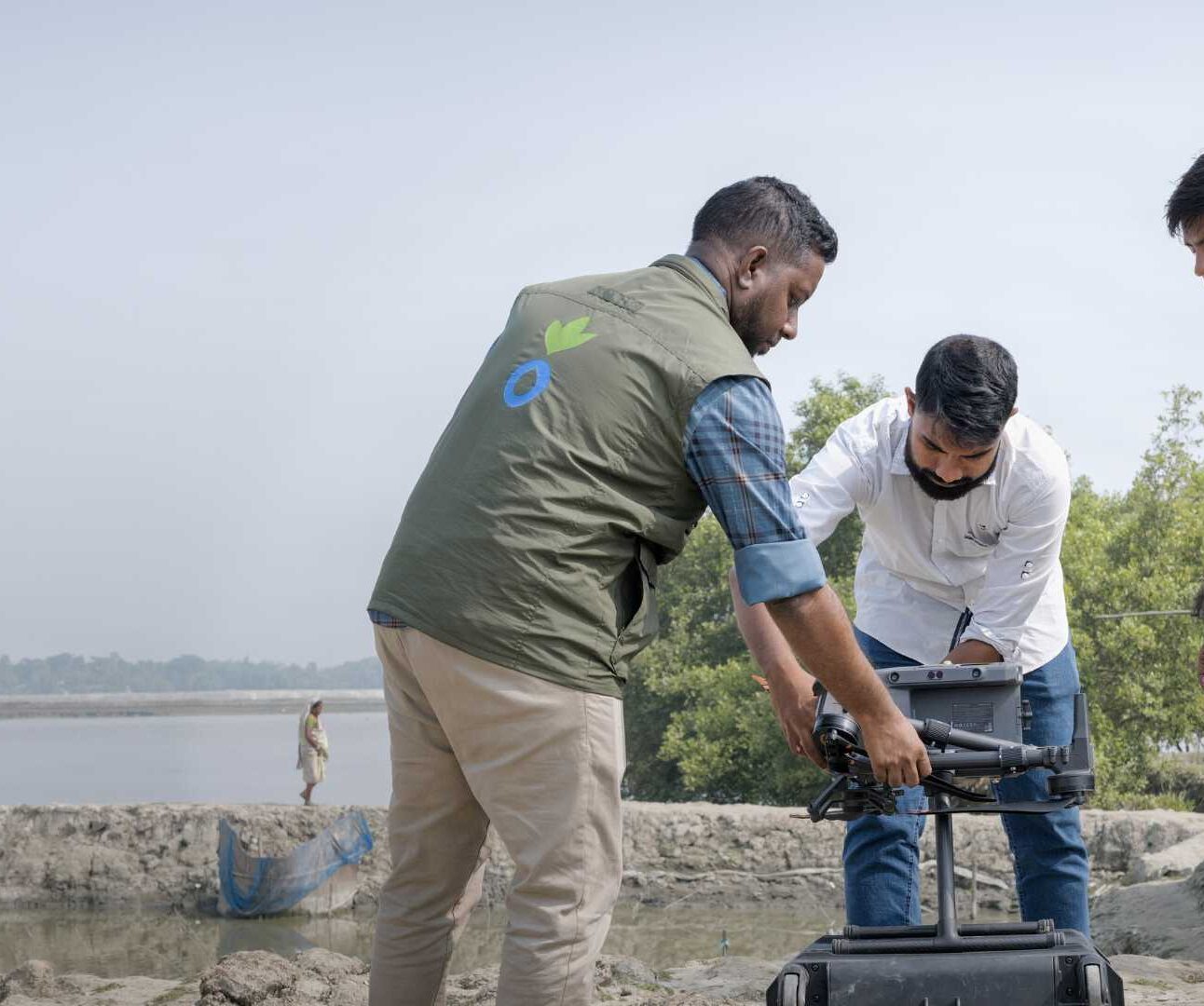
Cost efficiency and cost-effectiveness analyses
Find out how to strengthen accountability, improve transparency and enable better understanding of how resources are used to help achieve programme outcomes.
Find out how to strengthen accountability, improve transparency and enable better understanding of how resources are used to help achieve programme outcomes.
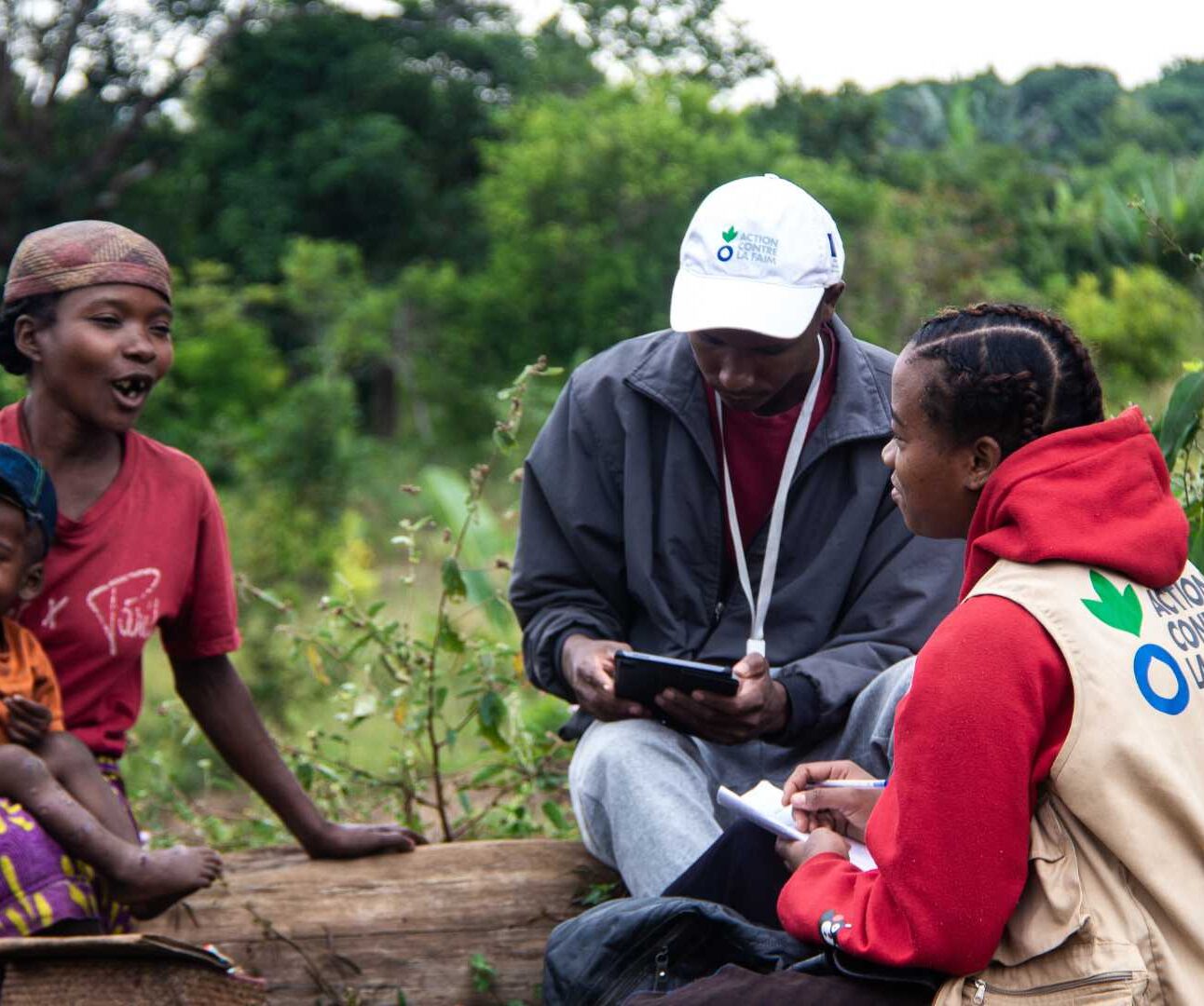
Learn more about nutrition assessments to measure coverage or assess the barriers to accessing Community Management of Acute Malnutrition (CMAM) services.
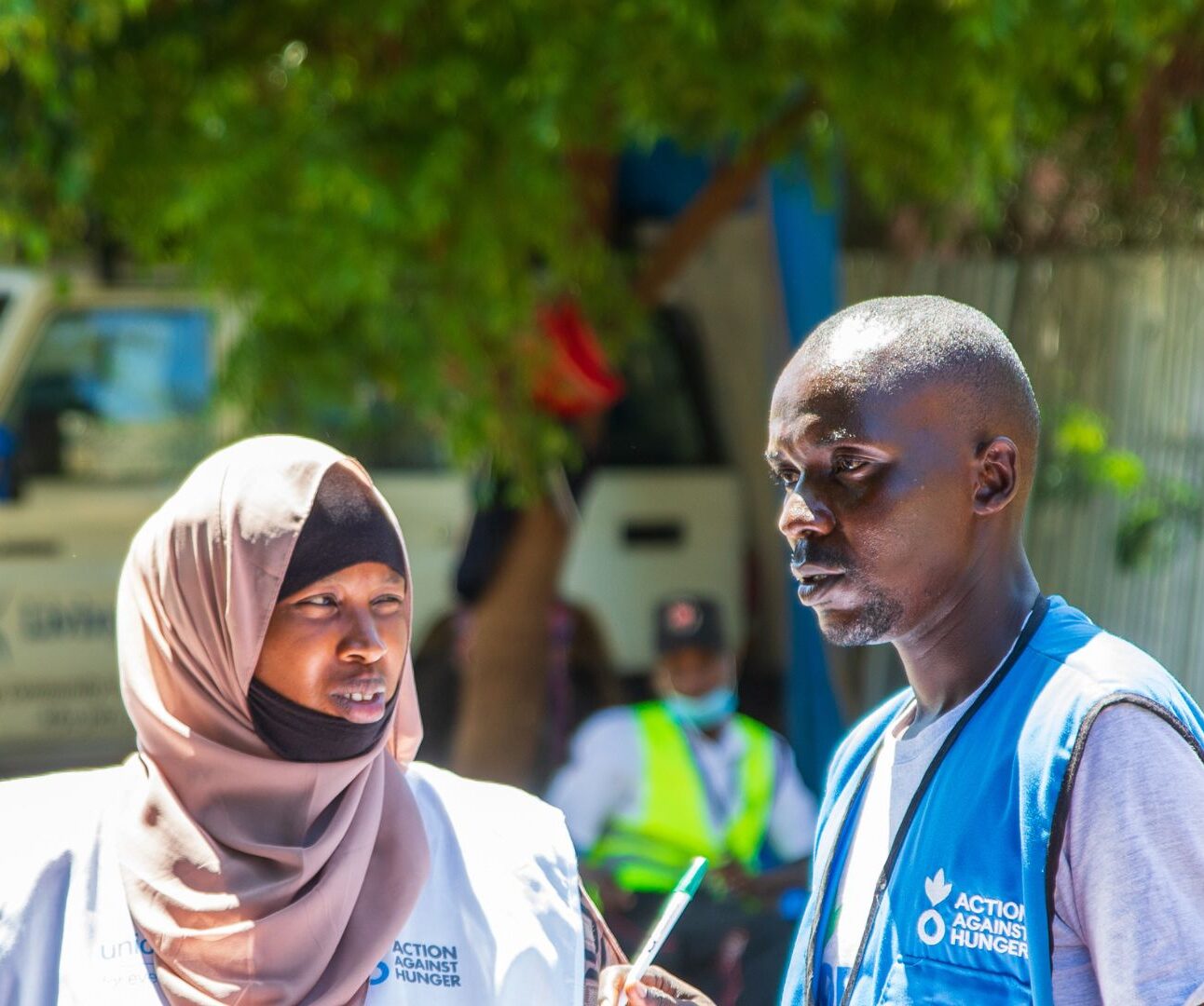
Nutrition causal analyses, such as Link NCA and Rapid NDA, provide insight about the causes of malnutrition. Find out more about these methodologies and how they can be adapted for your context.
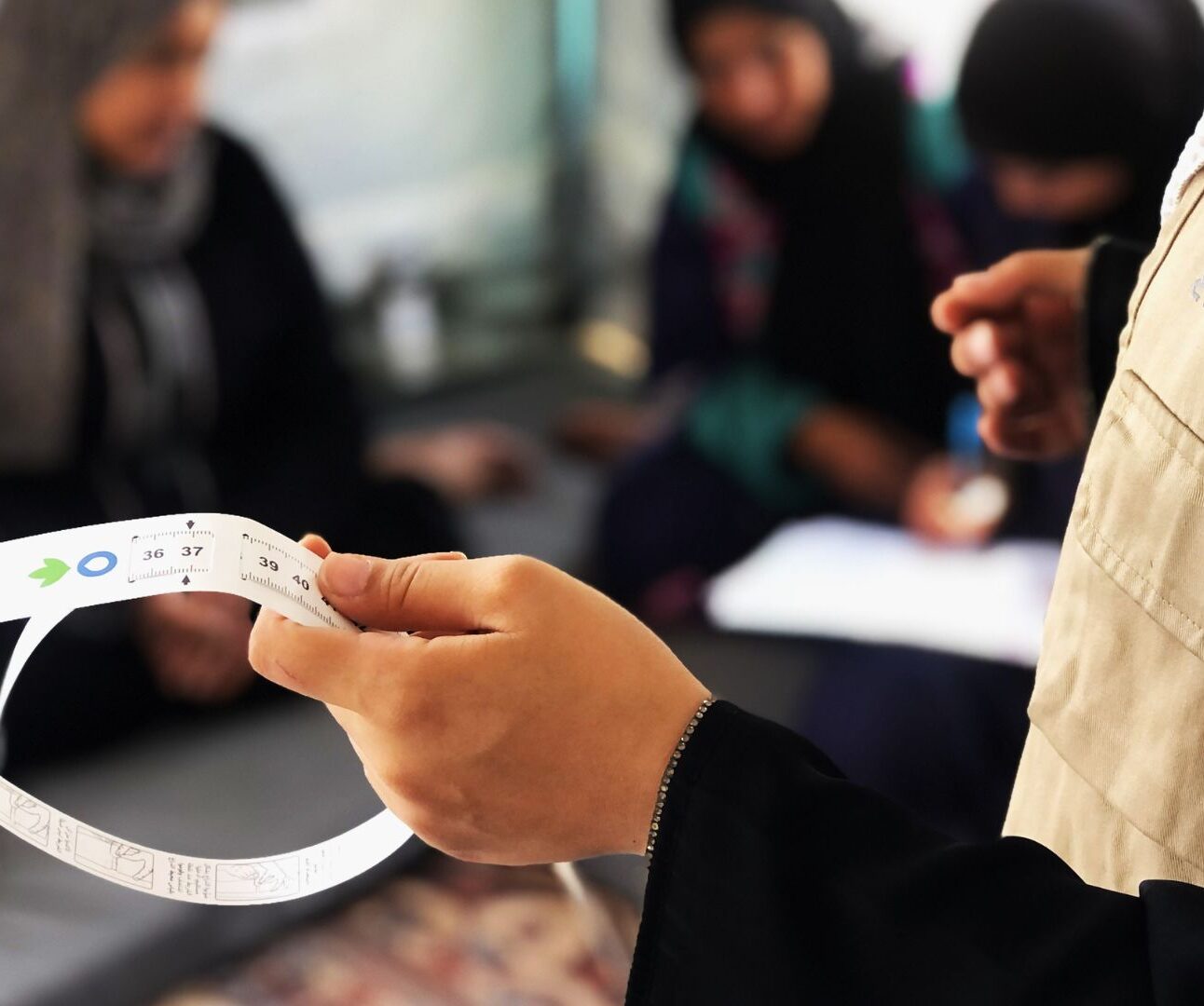
We are experts in nutrition research, assessments, and the treatment and management of acute malnutrition, providing evidence and learning to support more effective nutrition programming.
In mid-2014, the Coverage Monitoring Network coordinated an independent, participatory review of the three (3) available coverage methodologies; Semi-Quantitative Evaluation of Access and Coverage (SQUEAC), Simplified LQAS Evaluation of Access and Coverage (SLEAC) and Simple Spatial Survey Method (S3M). The CMN commissioned this review in order to increase understanding, ownership and uptake of the different methodologies.
The Prior Mode Estimation Template is a tool designed to assist in establishing the prior mode during Stage 3 of SQUEAC assessments.
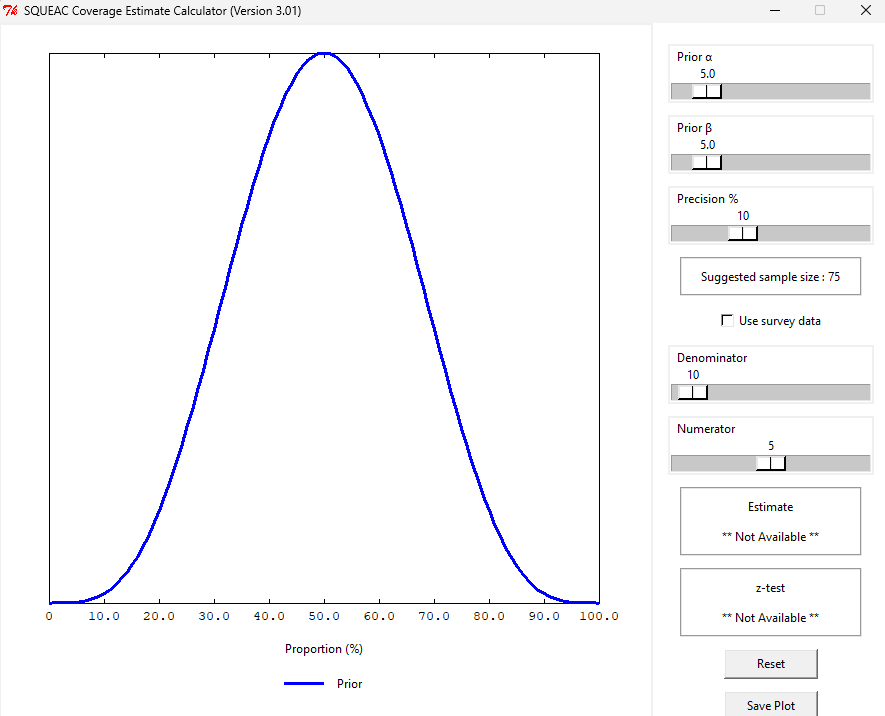
The SQUEAC Coverage Estimate Calculator (Version 3.01) performs the Bayesian beta-binomial conjugate analysis used in SQUEAC coverage assessments.
This study was conducted in the Kutupalong Makeshift Settlements. Commissioned by Action Against Hunger Bangladesh and funded by SIDA, UNHCR and WFP. Its purpose was to identify the risk factors of undernutrition in the area to inform and improve nutrition security programmes.
This coverage survey consisted of a series of SLEAC surveys, which were conducted across three selected districts, namely Rautahat district in Madhesh Province, Dolakha district in Bagmati Province and Mugu district in Karnali Province, to identify key barriers and boosters of access and coverage from the community perspective. It was complemented by qualitative data gathered through interviews with health workers and field observations by the survey team.
The treatment of severe and moderate acute malnutrition is supported by national Integrated Management of Acute Malnutrition (IMAM) guidelines. In 2019, a guidance note was issued to enable the use of RUTF for children with severe and moderate acute malnutrition during emergencies. In 2023, approximately 160,000 children were estimated to suffer from wasting, including an estimated 19,775 children who needed life-saving treatment for severe wasting. Due to a lack of investment for essential nutrition supplies and quality improvement, only 10,556 children with severe wasting were treated, which represented the lowest admission rate recorded over the course of the last 7 years. As information about treatment coverage is scarce, a coverage assessment was deemed necessary to assess the IMAM programme access and to identify the barriers and boosters of access to treatment in Zimbabwe.