
Rapid NDA in urban contexts
As urban populations continue to grow, understanding their nutritional challenges requires approaches tailored to complex environments. Uwimana Sebinwa, Senior Nutrition Advisor at Action Against Hunger, shares her experience adapting the Rapid NDA methodology for urban settings and highlights its usefulness in disadvantaged neighbourhoods.
In 2024, the GNC’s Moderate Wasting Initiative (MWI), in partnership with the NDWG and Action Against Hunger, developed and tested a Rapid Nutrition Determinants’ Assessment (Rapid NDA) methodology. The methodology was designed as a participatory qualitative tool to identify and understand context-specific determinants of child undernutrition, primarily based on community perspectives.
The Rapid NDA supports the design and adaptation of multisectoral nutrition security strategies and initiatives, while being compact and resource efficient. Following initial pilots in Nepal and four additional countries, all conducted in rural settings, the methodology was used in April 2026 in the urban slums of Antananarivo, Madagascar. This first urban application covered four vulnerable neighbourhoods (fokontany) and was conducted at the onset of a project implemented by a local partner. It provided important insights into the methodological adaptations required and lessons learned for applying the Rapid NDA in urban contexts.
Interview guide adaptations
Substantial adaptations were made to the qualitative data collection tools to better capture the complexity of community dynamics and nutrition determinants in urban settings. While some interview guides were revised, others were developed specifically for the urban context.
Key adaptations included:
- The reorientation of interview guides towards urban livelihood systems, with a stronger emphasis on commercial activities, informal petty trade, wage labour, and other market-based sources of income, and less emphasis on agricultural production and livestock rearing, which, although present, were less widely practised in the study context. Similarly, guides exploring food consumption and complementary feeding practices were adapted to reflect the reliance on street foods and other commercially prepared foods in local diets.
- The inclusion of overweight and obesity in interview guides exploring perceptions and causes of malnutrition, reflecting their growing prevalence in the study context. Specific questions were introduced to examine community perceptions of the relationship between maternal overweight and obesity and child undernutrition, capturing the increasingly complex and overlapping forms of malnutrition observed in urban settings.
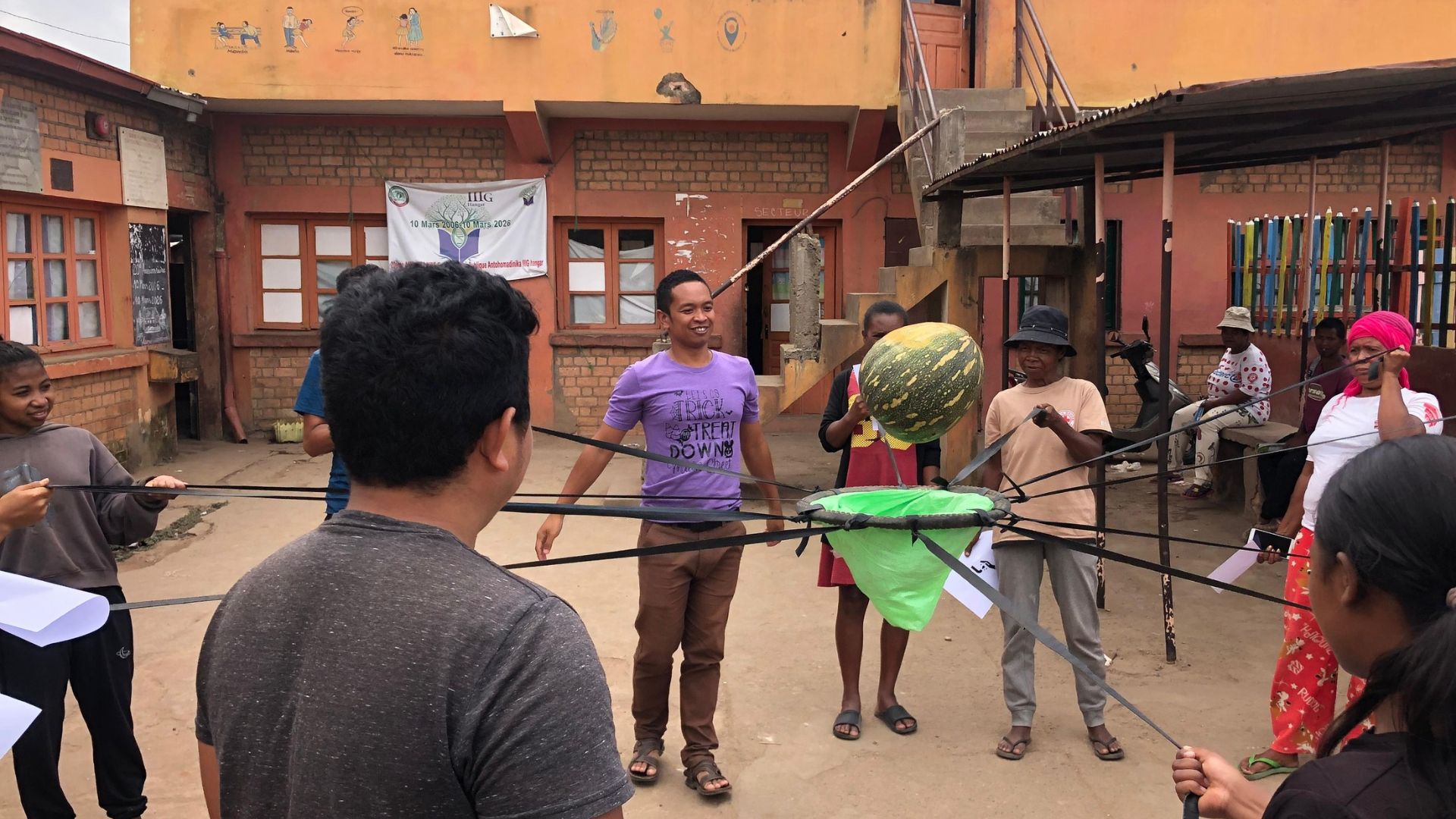
- The development of participatory exercises and tailored interview guides to enable a deeper understanding of local realities, including challenges linked to living conditions, access to services, support networks, insecurity, violence and environmental hazards. This adaptation also helped to explore their links with other standardised determinants and to move beyond the identification of vulnerabilities to capture local capacities, gaps, community-prioritised needs and the multiple dimensions of urban resilience.
- The incorporation of narrative-based participatory approaches proved particularly effective in facilitating engagement among young people and supported more open discussions on sensitive issues, including early pregnancy, substance abuse, family dynamics, and intra-household violence. By encouraging participants to discuss experiences through fictional characters rather than direct personal experiences, these approaches facilitated discussion of sensitive issues without requiring personal disclosure.
While the tools were carefully contextualised using evidence from a light literature review, daily debriefings among the assessment team were critical for harmonising approaches, addressing emerging information gaps, and refining and expanding the topics explored in response to emerging findings.
Practical adaptations to field implementation
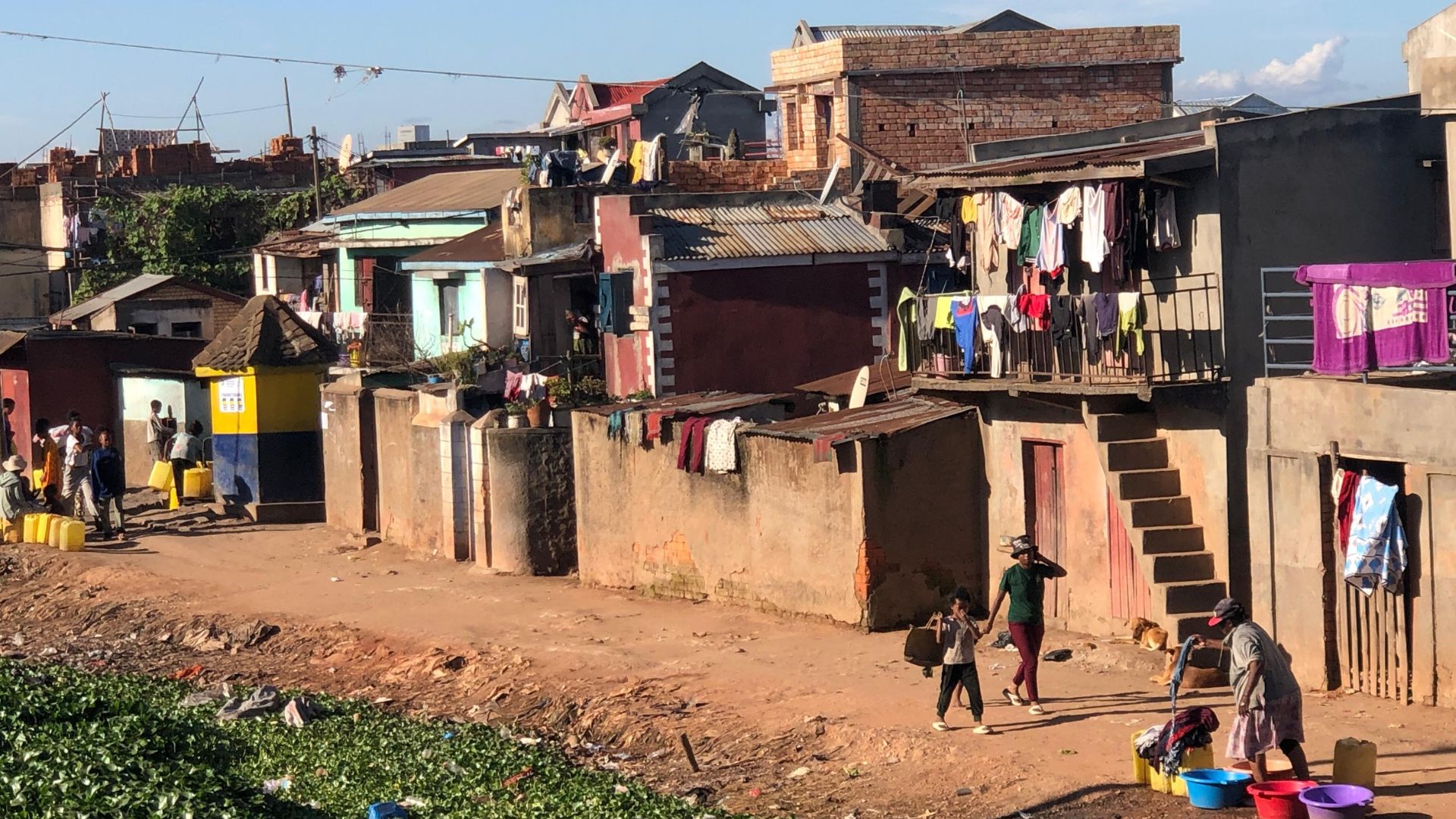
A key consideration requiring methodological adaptation was the urban security context, characterised by high levels of criminality, overcrowding, and drug use. These constraints limited the assessment team’s ability to enter communities independently and necessitated a strong reliance on local actors to facilitate community entry and support participant recruitment for group discussions.
Mitigating selection bias through existing community networks => snowball sampling
Leveraging the established networks of community actors through the local partner proved highly effective in facilitating community entry, securing acceptance, and supporting logistical arrangements for data collection. However, this approach also introduced a potential risk of selection bias, as participant recruitment could be influenced by existing social relationships and community networks, potentially limiting the inclusion of less connected individuals, such as some traditional birth attendants or migrants who were not registered at the fokontany and therefore reluctant to participate in activities held at the fokontany premises. Several measures were therefore implemented to mitigate this risk.
In addition to participant identification through community health workers (CHWs), snowball sampling and transect walks were used to broaden participant recruitment and reach individuals and groups who may have been overlooked through existing community networks, including those identified by key informants or emerging during discussions.
Ensuring representativeness across population groups in large areas => holding community exchanges in multiple locations
The selection of interview and discussion venues also required adaptation. Given the large population size of the fokontany, ranging from approximately 10,000 to 30,000 inhabitants, data collection activities were deliberately conducted across multiple locations within each neighbourhood. This approach helped ensure that perspectives from different sectors and social groups were captured and reduced the likelihood of participation being limited to individuals residing near a central meeting point.
Maintaining data quality under operational constraints => mobile voice-to-text transcription
Security constraints, which prohibited staff from carrying computers outside the office, combined with the considerable time required for travel across the city due to traffic congestion, also necessitated adaptations to data management procedures. Under standard practice, assessment team members transcribe and expand their interview notes on computers at the end of each day. In this context, however, teams experimented with the voice-to-text functionality available on their mobile phones.
Interview notes were dictated and automatically transcribed shortly after data collection, enabling assessment team members to capture their observations while they were still fresh in their memory. This approach also allowed the team to make productive use of travel and waiting time, reducing the transcription workload at the end of the day. The resulting transcripts required only limited review and editing, substantially improving efficiency while maintaining data quality and reducing the risk of information loss.
Lessons learned on community dynamics in urban settings
Lastly, one of the initial assumptions underpinning the assessment was that community dynamics would be more difficult to capture in an urban context, where livelihoods and daily routines are often perceived as more individualised than in rural settings. Contrary to this expectation, the assessment revealed a strong sense of community across the visited neighbourhoods. While population mobility and instability did indeed appear to weaken social cohesion, community members frequently referred to informal support networks, collective coping mechanisms, and a shared sense of belonging.
Although these forms of social organisation differed from those typically observed in rural settings, they remained central to community resilience and wellbeing. At the same time, the findings highlighted the importance of recognising that not all groups benefit equally from these support networks, particularly more marginalised populations such as recent migrants, single mothers, street-connected youth and sex workers, who may experience weaker social connections and greater vulnerability.
Conclusion: “our future is in the streets”
As cities continue to grow across low- and middle-income countries and children and young people represent an increasing demographic weight, there is a pressing need for assessment approaches that are able to capture the realities, aspirations, and challenges of urban communities. Understanding the factors shaping nutrition and wellbeing in these rapidly changing environments will be critical to ensuring that programmes remain relevant and effective.
The experience in Antananarivo demonstrates how the Rapid NDA methodology can be adapted to deepen understanding of how urbanisation, evolving food systems, and changing social dynamics influence the diets and nutritional outcomes of women and children. Key considerations for urban adaptation include contextualising interview guides and facilitation techniques to the local context and sensitive issues and adapting implementation procedures to operational constraints.
Beyond these adaptations, the methodology’s effectiveness depends on the ability to continuously refine data collection and community engagement approaches in response to local realities. Such flexibility is essential to generate richer insights into the determinants of undernutrition in complex urban settings, improve the relevance and effectiveness of interventions, and strengthen meaningful, inclusive, and trusted community engagement.
Explore our nutrition resources
Knowledge Against Hunger is the home of all our technical, research, learning and strategic documents. Take a look at our nutrition resources here.
Stay up to date with our emails
Get new resources, technical tools, research findings and expert insights delivered to your inbox every quarter.
Four emails a year. Unsubscribe at any time.