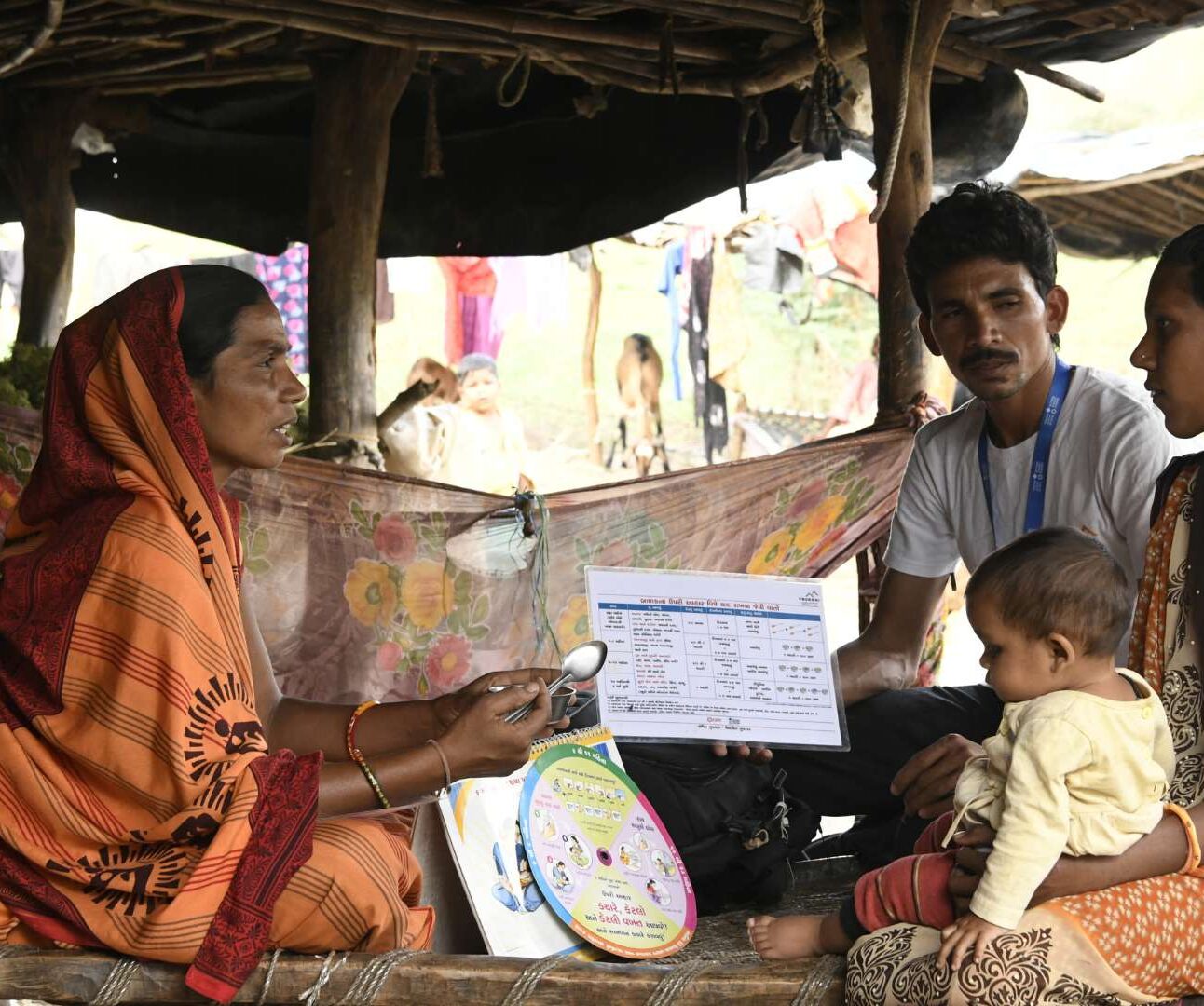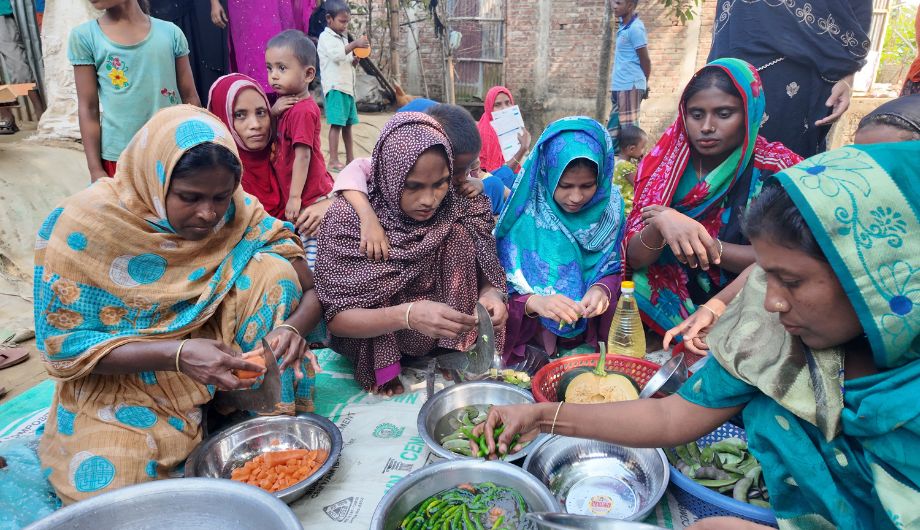
Community engagement is important because it leads to more relevant, effective, and sustainable outcomes. By incorporating local knowledge, building trust, and fostering shared ownership, it ensures that initiatives are better aligned with community needs and more likely to succeed in the long term.
A widely recognised framework for understanding this process, IAP2 Spectrum of Public Participations, outlines the different levels of engagement as follows:
- Inform: focuses on providing communities with balanced and objective information yet communities do not participate in decision-making process. They are only relayed information that might be of interest to them.
- Consult: focuses on actively seeking feedback from the community and their views are taken into consideration during a decision-making process
- Involve: ensures that community concerns and inputs are consistently considered throughout the process and are shaping the decision-making process.
- Collaborate: focuses on participatory decision-making, where communities are viewed as partners and are involved in each aspect of decision-making.
- Empower: represents the highest level of engagement, where decision-making authority is placed in the hands of the community.
While Action Against Hunger does not yet have a formal organisational definition of community engagement, it recognises community engagement as essential to improving programmes’ efficiency, effectiveness, relevance, impact, and sustainability. Community engagement has been a longstanding strategic priority, reflected in ongoing commitments to work alongside communities throughout the project lifecycle.
Today, community engagement is closely linked to Action Against Hunger’s commitment to localisation. The organisation promotes local capacity and leadership along with equitable partnerships to ensure that community priorities, experiences and mutual aid networks and social support systems shape programmes and decisions. .
Yet the level of community engagement varies across contexts, sectors or projects. Short-term and inflexible funding is often identified as one of the main barriers to community engagement, while organisational commitment remains one of the most important enablers.
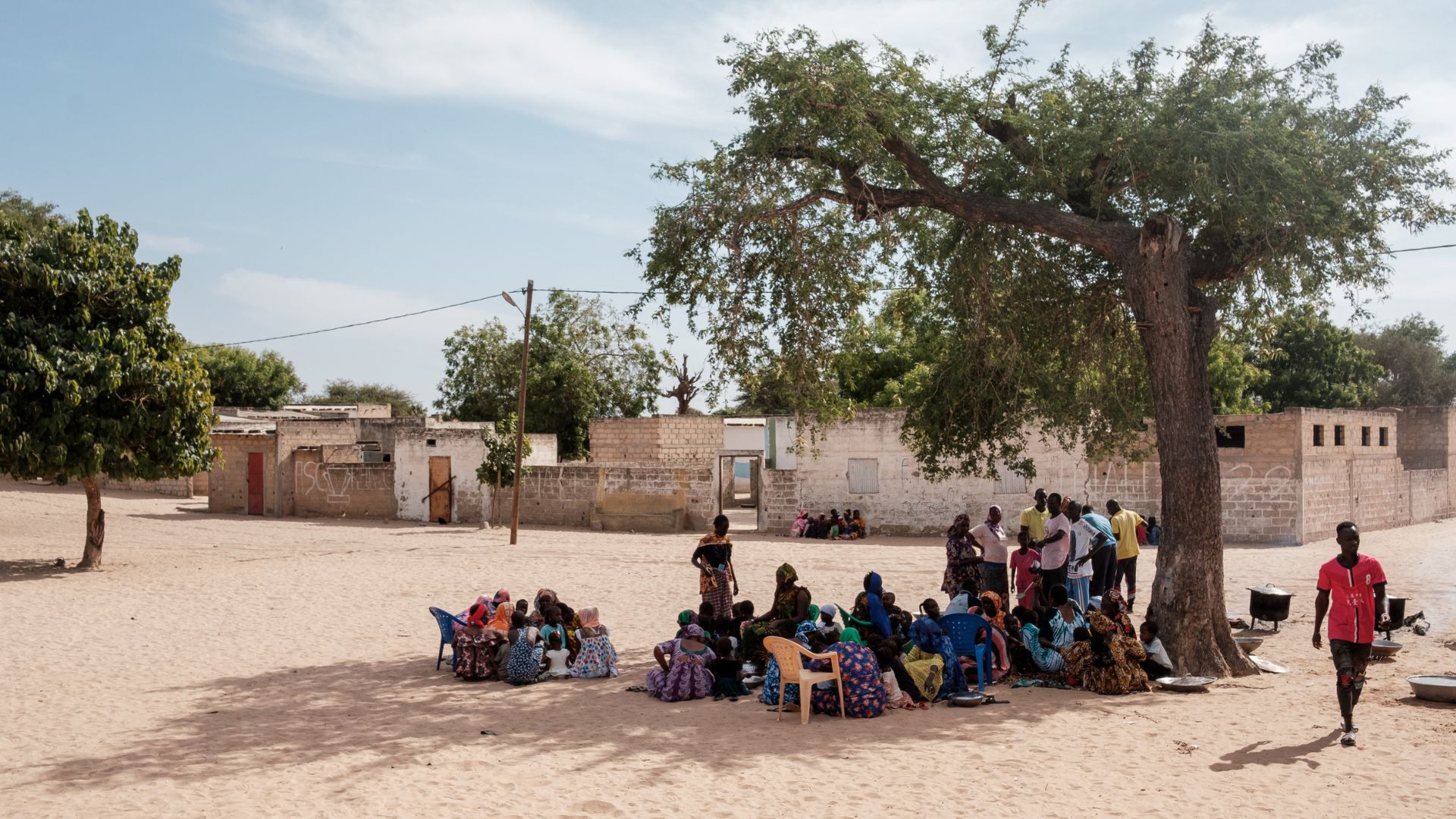
Boolo Xeex Xibon: the future of community engagement we strive for
One project has been able to break through these barriers – thanks to supportive management and a flexible donor is Boolo Xeex Xibon (BXX), a fully community-led project implemented in 16 communities in the Louga region of Senegal.
Building on a successful pilot carried out between 2022 and 2025, the project has now entered a new phase. At the beginning of 2026, Action Against Hunger launched Boolo Xeex Xibon 2, a four-year extension designed to strengthen evidence, deepen impact, and expand its approach. The pilot demonstrated how, if given the right conditions, communities can lead all stages of a project and reach the highest level of engagement. The current phase builds directly on these results, maintaining the same core principle: communities remain in the driver’s seat.
In this approach, communities lead every stage of the project cycle, from analysing challenges to designing solutions, implementing activities, and monitoring results. Action Against Hunger plays a facilitation role, while communities retain ownership over activities, timelines, definitions of success, and engagement with local authorities. The model deliberately avoids conventional tools such as log frames or predefined performance indicators, allowing it to remain flexible and adapt to evolving or recurrent shocks without requiring external approval.
In the current phase, new communities implement an improved version of the pilot model based on lessons learned, while the original communities focus on advancing their development and acting as mentors to support knowledge sharing and scale-up. This expansion responds directly to community demand for continuation and growth and introduces key improvements, including longer monitoring periods between baseline and endline and strengthened nutrition screening follow-up including children under six months, with financial incentives provided to both new and original communities.
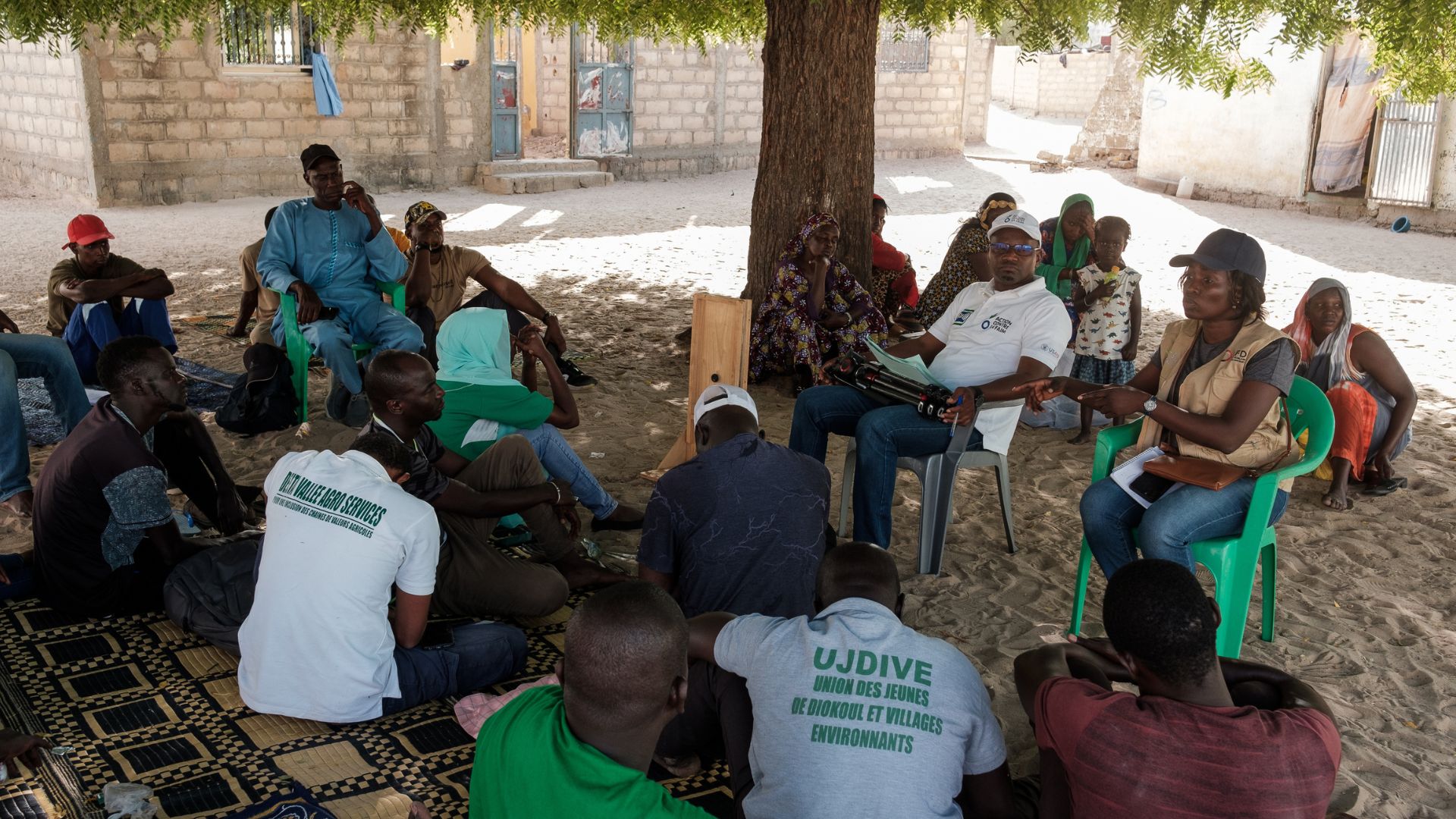
How the Boolo Xeex Xibon approach works
The BXX approach aims to prevent child malnutrition and strengthen resilience to shocks by engaging communities in all stages of the project cycle and supporting them to lead decisions that affect their own development.
The approach is structured across three main phases:
- A community-led analysis, where communities identify and prioritise the determinants of undernutrition and develop their own action plans and budgets.
- The implementation phase, where communities lead interventions to address identified challenges while monitoring progress and receiving targeted capacity transfer and financial support.
- A learning and impact phase, during which lessons learnt from preceding phases, based on quantitative assessments and qualitative insights, will be consolidated to understand project outcomes and impact.
Key lessons we’ve learned so far
- Communities can lead meaningful analysis and implement sustainable solutions when given appropriate support.
- Even though improvements have been observed, impact takes time with changes in nutrition indicators requiring longer term engagement.
- Strong local anchoring ensures that solutions are relevant and widely accepted, while trust is built through consistent engagement and delivery on commitments.
- Community ownership drives collective action and lasting change, particularly when communities lead decision-making processes.
- Capacity transfer is essential for sustainability, enabling communities to continue and expand activities independently beyond the project duration.