Multiple methods are available to help you understand the multi-sectoral nature of nutrition determinants in a specific context and inform tailored responses. Our key methodologies are Link NCA and Rapid NDA, both of which can be adjusted and adapted to meet the needs of your specific context.
Link NCA and Rapid NDA differ mostly in study design and scale. Each methodology requires a variety of resources and skills to conduct the study successfully and ensure the outputs are robust.
Link NCA
Link NCA is a flexible mixed method study which uses qualitative and quantitative data to analyse the causes of undernutrition, including the potential differences in the causal mechanisms of wasting, stunting, underweight and anaemia.
Link NCA is most effective at district level in post-emergency settings. It uses participatory approaches to build a consensus among communities, local stakeholders and technical experts on major factors of undernutrition in the zone of study, and the best solutions to address them.
It has been conducted on 3 continents, in both rural and urban settings, volatile post-conflict settings, and in refugee camps. It can be adapted for use across different contexts and operational objectives, and provides a starting point to improve the relevance and effectiveness of nutrition security programming.
How it works
The full Link NCA process lasts 4 to 5 months, but the method is sequenced so the timeframe can be longer or shorter depending on circumstances and available resources. Approximately 40% of the work can be done remotely.
There are four key phases:
Preparatory phase (4 to 6 weeks)
The study’s objectives and resources are agreed, and the study team is recruited.
An in-depth literature review and stakeholder consultation are carried out to identify the risk factors likely to impact the incidence of malnutrition in the zone study. An initial technical workshop, where hypothesised risk factors are validated for field testing, completes this phase.
Qualitative data (5 weeks)
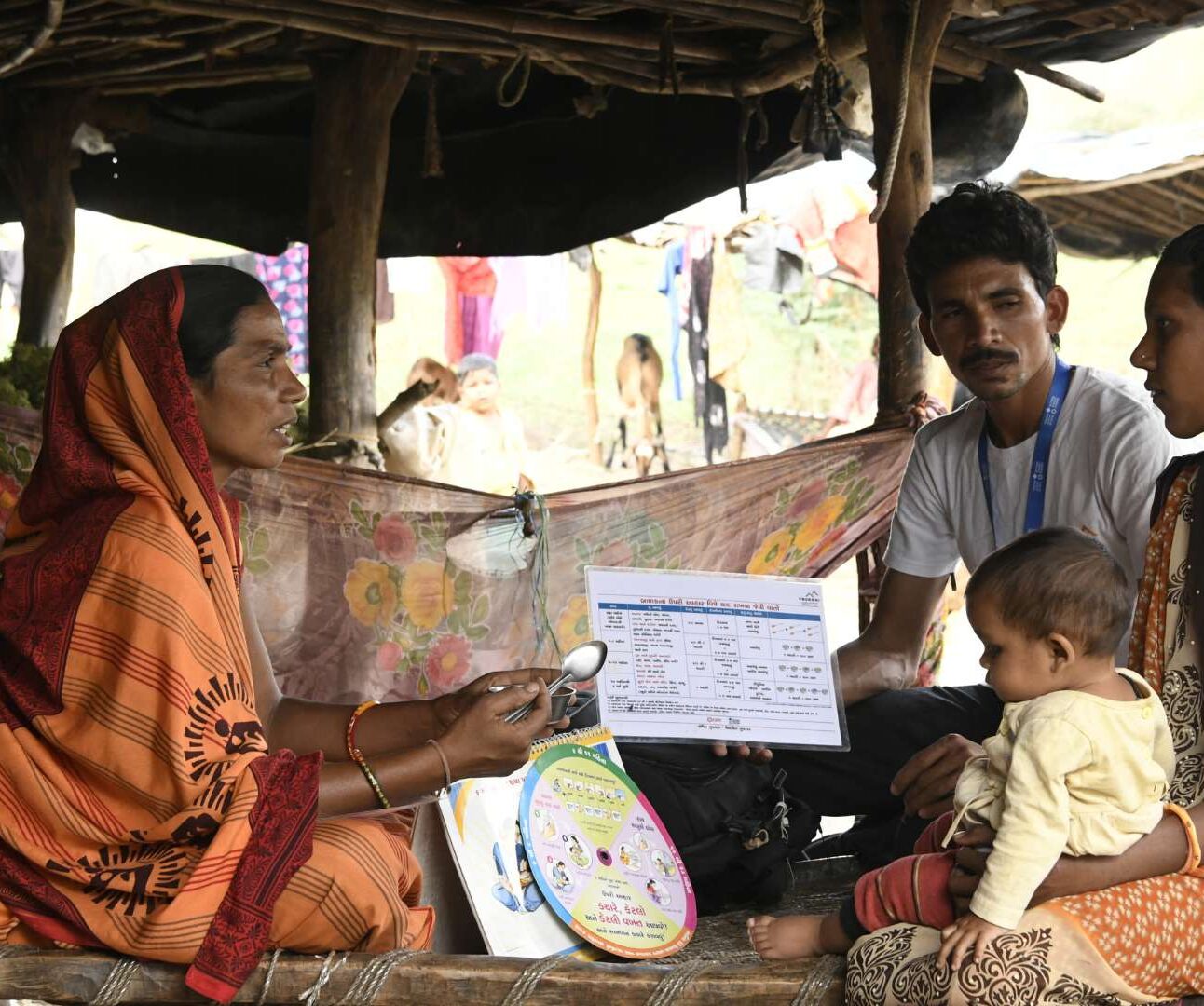
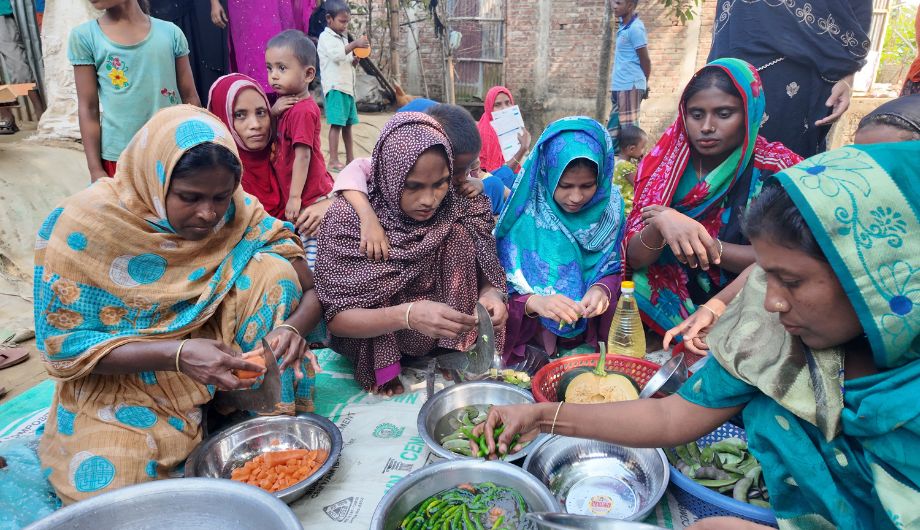
Qualitative research is carried out in distinct locations, which are representative of different population segments living in the study zone. This includes approximately 50 focus group discussions which use a variety of participatory exercises and tools. This gives the study team a complex understanding of the community’s key concerns as well as their priorities for programmatic solutions.
Quantitative survey (4 weeks)
This combines an anthropometric survey, following SMART methodology, and a Risk Factor Study. A population-based sample of 500 to 600 households allows the team to establish reliable prevalence figures for selected indicators, as well as to study any statistical associations between these figures and a child’s nutritional status.
Together with inputs from the qualitative enquiry, this data allows us to design local pathways of undernutrition and highlight any potential differences between nutritional outcomes.
Data analysis and results synthesis (7 to 8 weeks)
All the data collected is triangulated and categorised into risk factors based on their likely contribution to the incidence of malnutrition in the zone of study. A final technical workshop is held where all available evidence is reviewed and recommendations are made for future programming.
A final report details risk factors relative to the zone of study, supported by the qualitative and quantitative evidence. The report includes prioritised recommendations for future programming.
To translate the research into meaningful interventions, we highly recommend following this analysis process with a design of the action plan and/or project proposal based on the Link NCA study findings.