Action Against Hunger team at protest in Paris.

Advocacy

Action Against Hunger’s advocacy work drives policy and political change to end food insecurity and acute malnutrition; through our programmes across the world and our public engagement work. 

The number of people facing hunger and extreme food insecurity across the world is rising, Conflict, climate change, and economic shocks continue to drive increasing number of people into acute food insecurity, despite commitments from the international community to end hunger by 2030.

Our advocacy teams work tirelessly to demand that governments do more to end hunger. We campaign. We advise. We provide expert insight.

Together with our country offices, we collect and analyse first-hand data about hunger, nutrition and food security. This shapes our analysis, recommendations, and ensures that decision-makers understand the realities faced by affected communities and our colleagues on the ground.

We bring together research and insights from across our global network. We participate in global processes such as COP and United Nations fora, and we convene, chair and participate in working groups focused on nutrition, conflict, hunger and more. Read about our work to break the cycle between conflict, emergencies and hunger, and to strengthen social protection systems to end hunger and malnutrition.
Conflict and Hunger

For the 6th year in a row, conflict is the biggest driver of food insecurity worldwide, pushing almost 140 million people into food insecurity. Action Against Hunger’s network works in some of the worst humanitarian crises in the world, implementing programmes and driving analysis to understand the impact of conflict and violence on food insecurity.

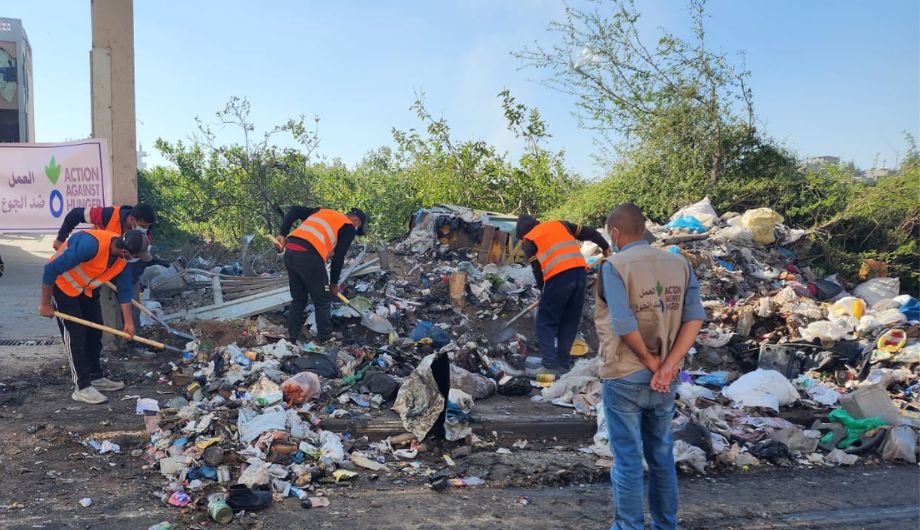
Action Against Hunger team cleaning up debris in Gaza.

On the rise: conflict-induced hunger

Our 2022 annual report provides an overview of how conflict affects food insecurity, hunger and malnutrition in various contexts. It also offers recommendations to UN Member States to address life-threatening hunger and stop its rise. 

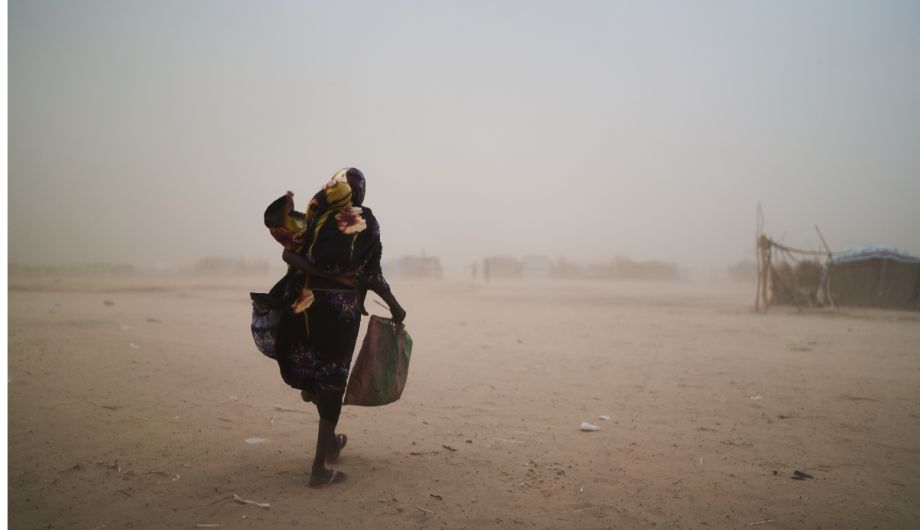
Women fleeing Sudan holding her child.

No matter who is fighting, hunger always wins

The links between conflict and hunger are well established. However, evidence identifying the complex connections between conflict and hunger have been scarce and lacked specificity in the patterns and violent actions that negatively impact food and nutrition security. This report aims to address this gap.

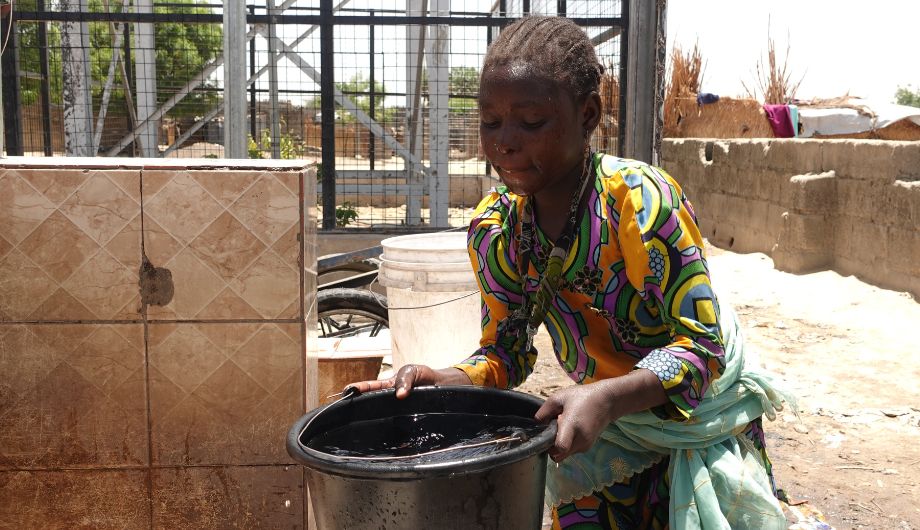
Young adult collecting clean water in Nigeria.

How to implement UN Security Council Resolution 2417

In 2018, the UN Security Council unanimously adopted Resolution 2417, which recognises the link between conflict and hunger and that the use of starvation as a weapon of war constitutes a war crime. This toolkit contains practical actions to help reverse the devastating rise of conflict-driven hunger and malnutrition.

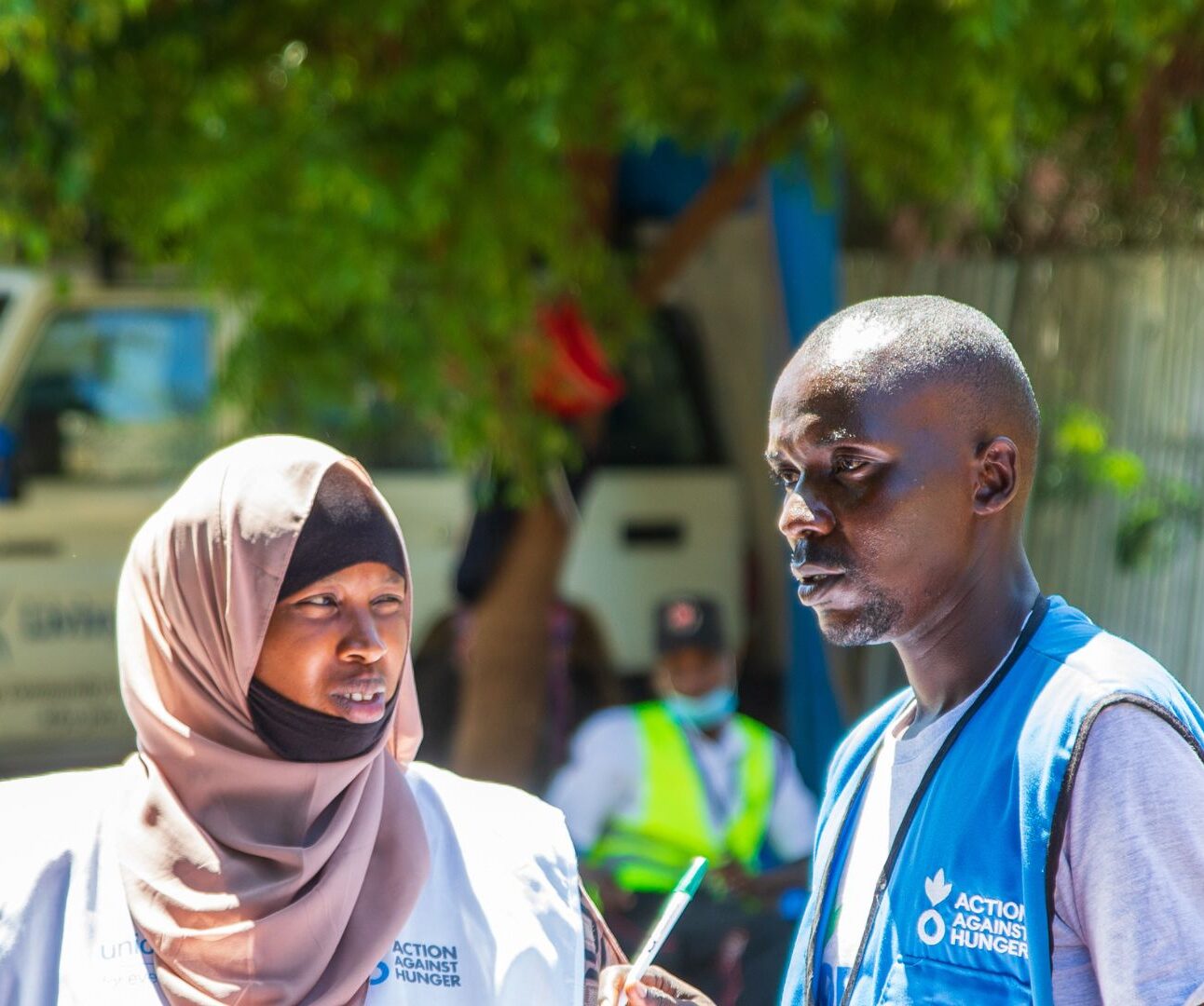
Action Against Hunger nutrition experts in Kenya.

Preventing hunger in conflict regional dialogue series: Global synthesis report

This report summarises the key outcomes of the Preventing Hunger in Conflict Regional Dialogue Series, four one-day events which took place between July 2023 and January 2024 in the key regional hubs of Nairobi, Panama, and Dakar. A fourth online event also addressed the situation in the Middle East. The series was organised by Action Against Hunger, Oxfam, Save the Children, WFP and World Vision.

Nutrition

Despite the international community’s Sustainable Development Goal (SDG) to end hunger by 2030, the number of people facing extreme food insecurity around the world has risen. This report provides UK-specific policy roadmap to end global hunger.

Read our report Crisis, Famine, Action: A UK Roadmap for Ending Global Hunger >>