
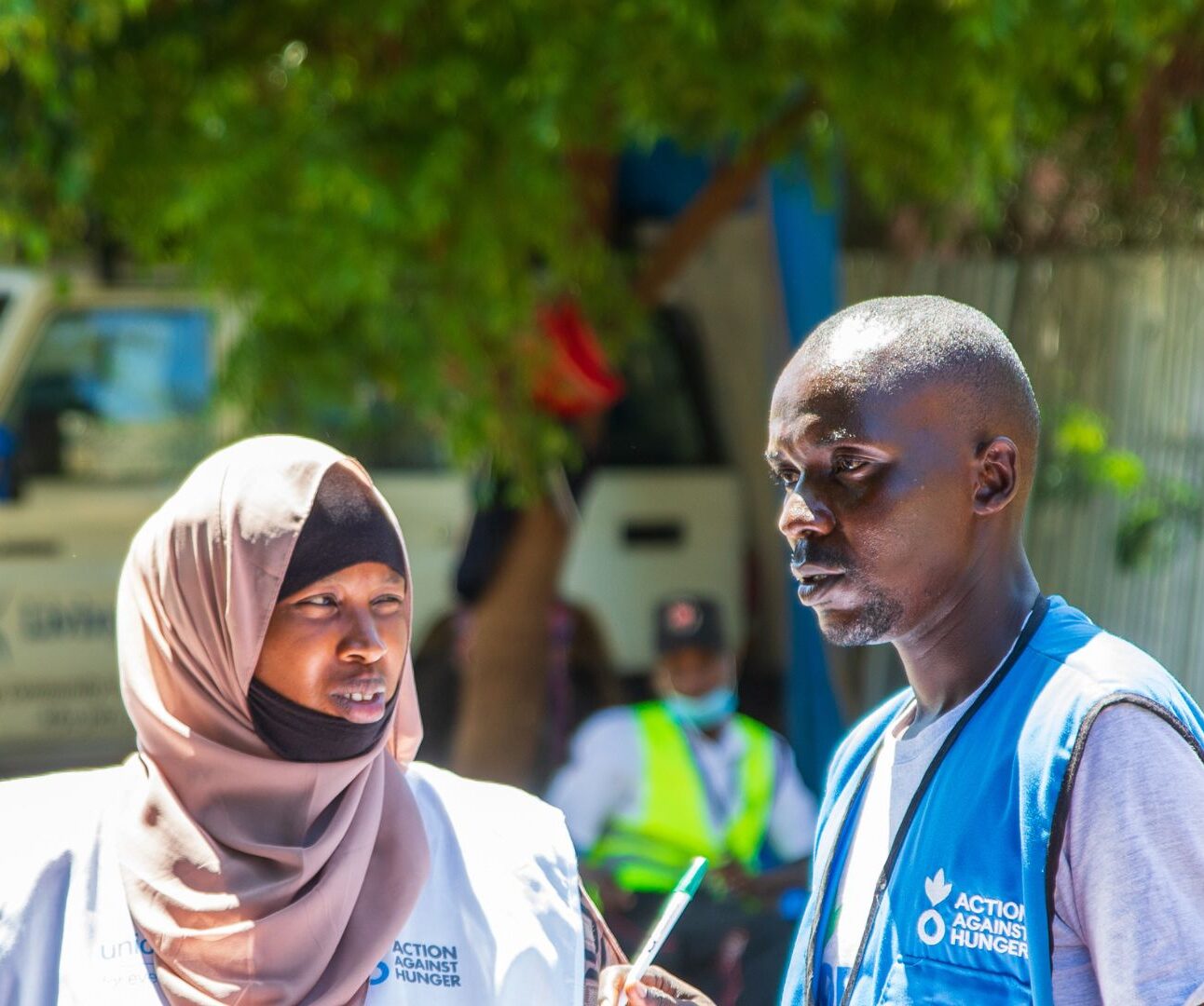
Nutrition causal analyses
Nutrition causal analyses, such as Link NCA and Rapid NDA, provide insight about the causes of malnutrition. Find out more about these methodologies and how they can be adapted for your context.
Every child deserves the chance to grow, thrive, and lead a healthy life. Our organisation works around the world to prevent and manage acute malnutrition by combining strong community engagement, high‑quality nutrition services, research that influence policies, and close collaboration with governments and international and local partners. From early detection to life‑saving treatment, we support children under five and women of reproductive age across both humanitarian crises and long‑term development settings.
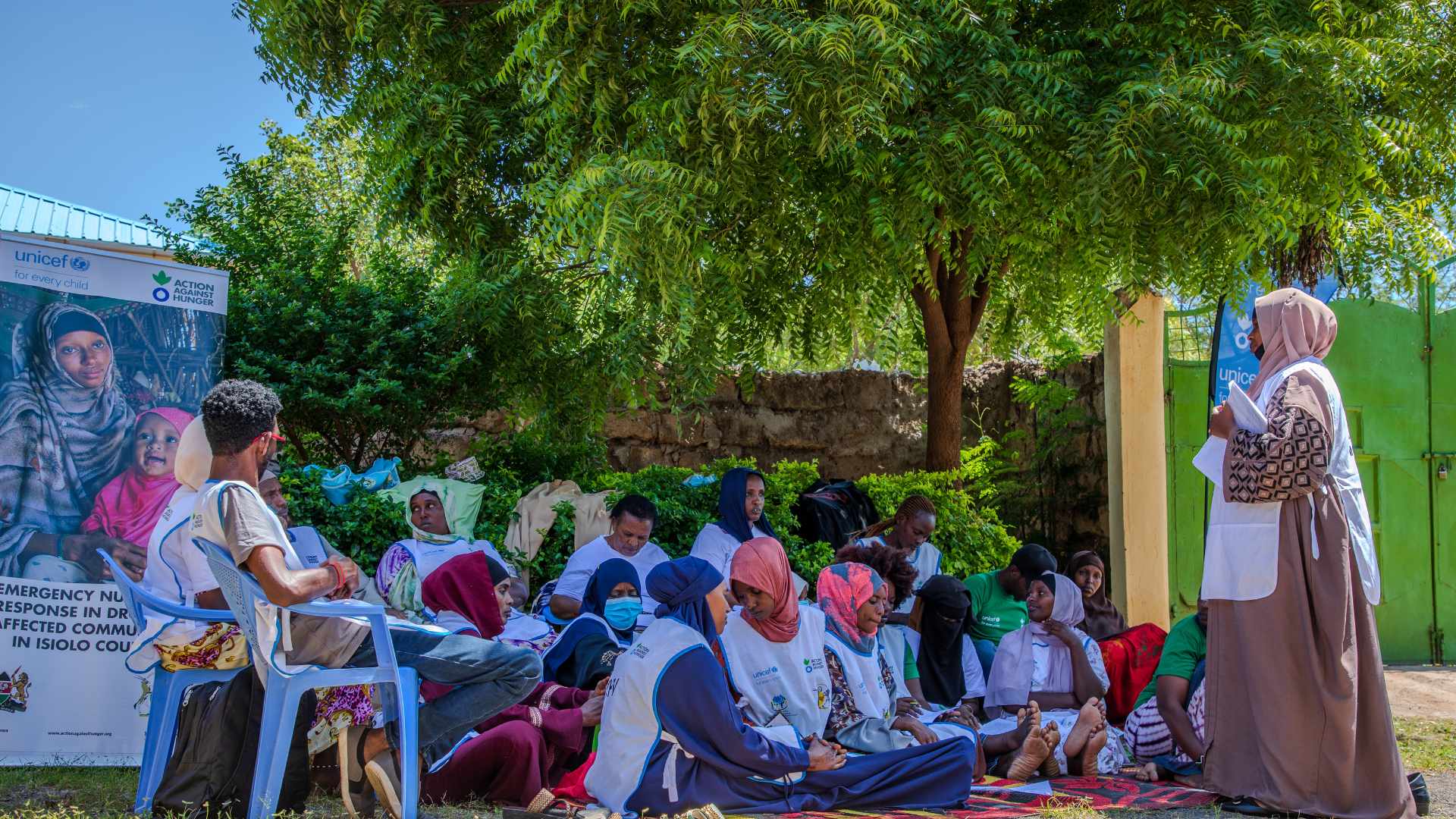
We believe that communities know best, we therefore developed and are implementing community-led programmes focusing on optimal child development and malnutrition prevention. As preventing malnutrition begins with understanding the factors that put children at risk, we help communities to identify these and then guide them to develop programmes that promote optimal care and feeding practices, reducing the chances of children becoming malnourished.
We work with governments to strengthen national nutrition systems—updating national guidelines, improving information systems, and building the skills of health workers. By supporting preparedness plans and local response capacity, especially in emergency‑prone areas, we help ensure that services remain strong and resilient, even during crises.
people supported by our nutrition programmes in 2024
children admitted for severe acute malnutrition
children admitted for moderate acute malnutrition
Early detection saves lives. Our teams help communities recognise the first signs of malnutrition by training volunteers, caregivers, and local health workers in simple screening tools like Family-MUAC. We also help countries harmonise and modernise their nutrition information systems—using modelling and technology, including AI—so that worsening trends can be spotted quickly and responded to before a crisis deepens.
When children or women become acutely malnourished, rapid treatment is essential. We support integrated health and nutrition services that provide:
Our teams work hand‑in‑hand with national health systems so that treatment is accessible, high‑quality, and sustainable. This involves supporting them to review their national guidelines and policies according to the latest WHO guidelines. We help governments plan, cost, and scale effective programmes while ensuring that services reach the most vulnerable populations. We contribute to global technical guidance, tools and monitoring frameworks on prevention and treatment of acute malnutrition, including on costing analysis.
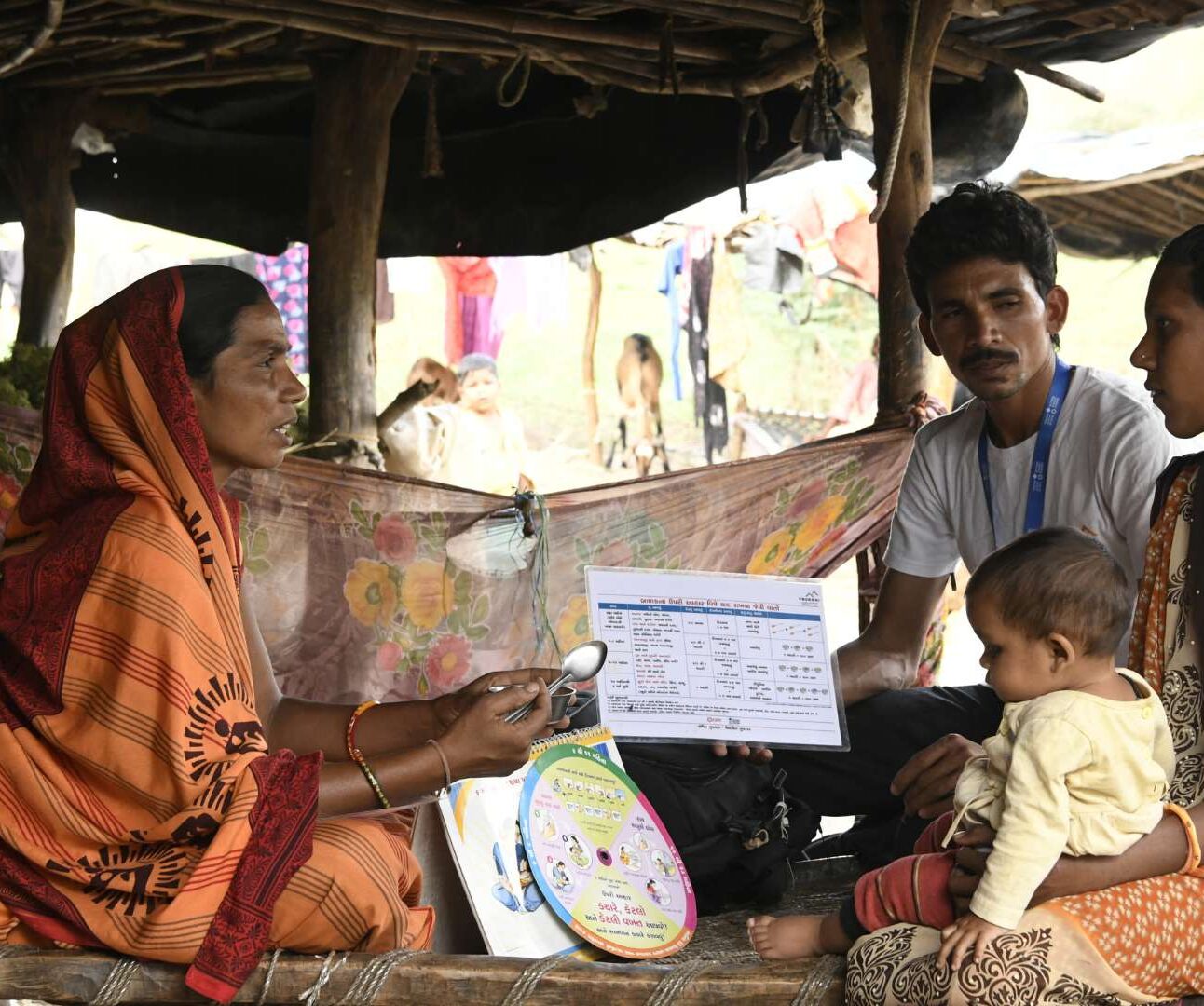
Knowledge Against Hunger is the home of all our technical, research, learning and strategic documents. Take a look at our nutrition resources here.
Nutrition causal analyses, such as Link NCA and Rapid NDA, provide insight about the causes of malnutrition. Find out more about these methodologies and how they can be adapted for your context.
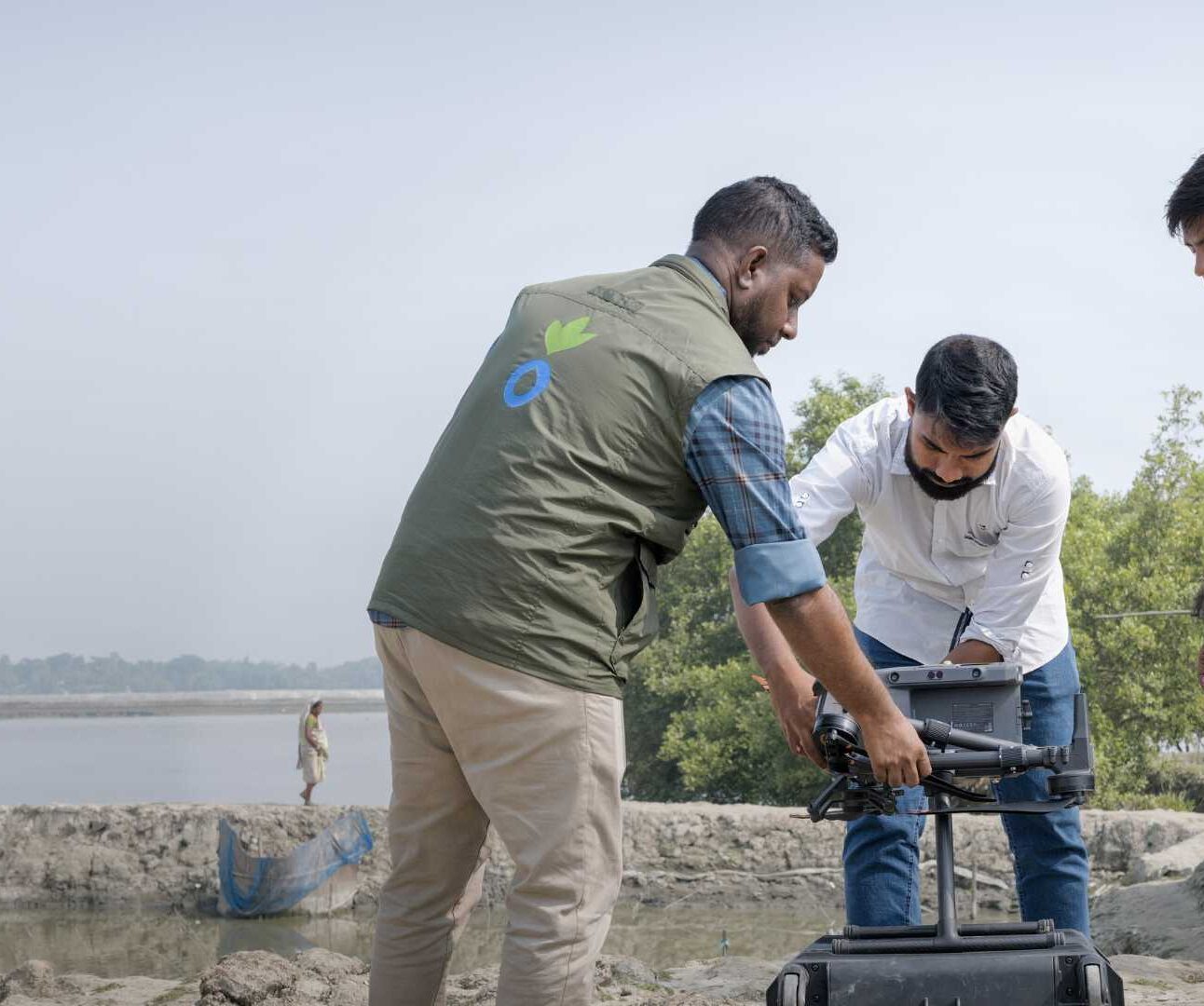
Find out how to strengthen accountability, improve transparency and enable better understanding of how resources are used to help achieve programme outcomes.
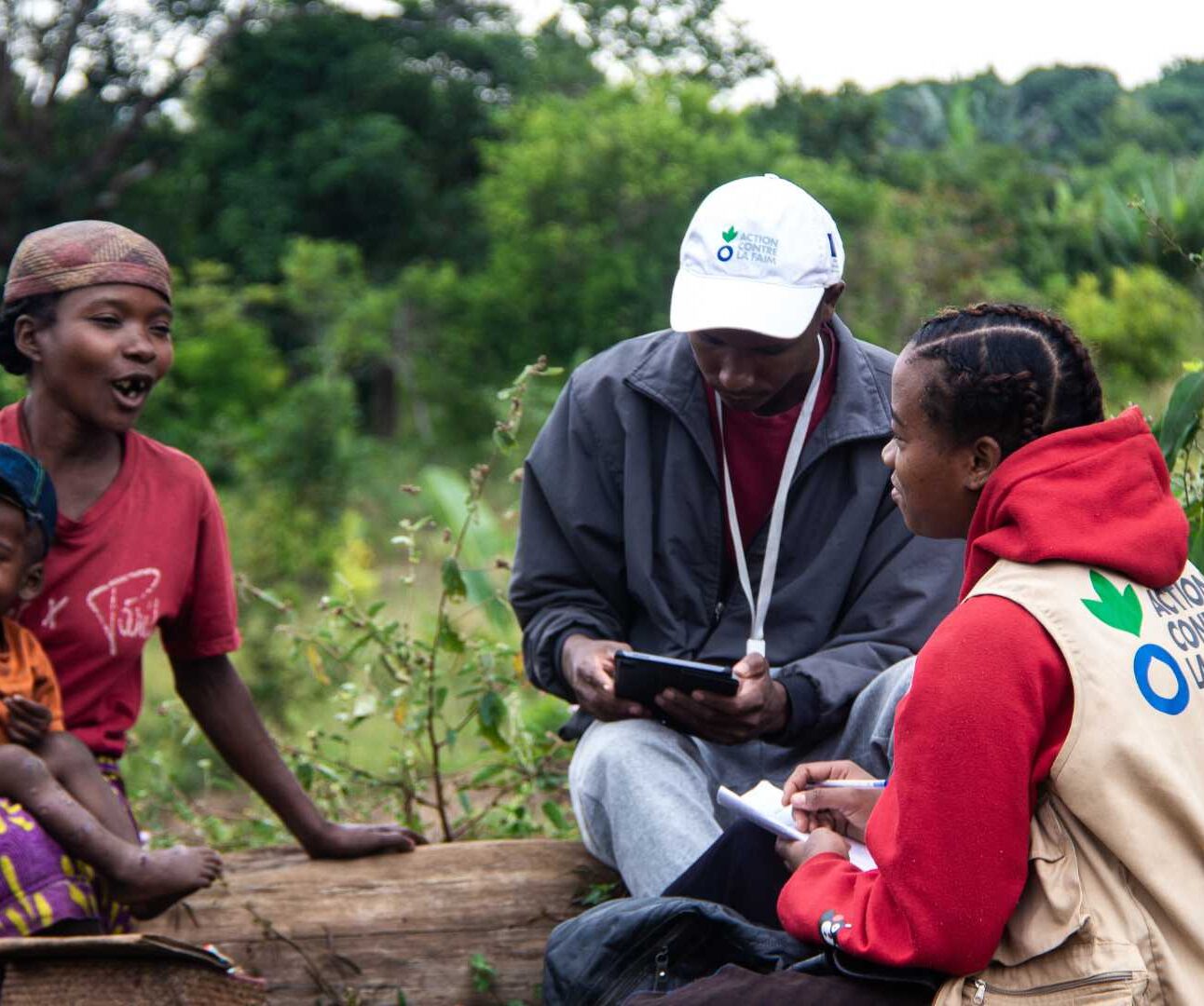
Learn more about nutrition assessments to measure coverage or assess the barriers to accessing Community Management of Acute Malnutrition (CMAM) services.